The Driver of my early life and caretaker of the 2nd Ave.
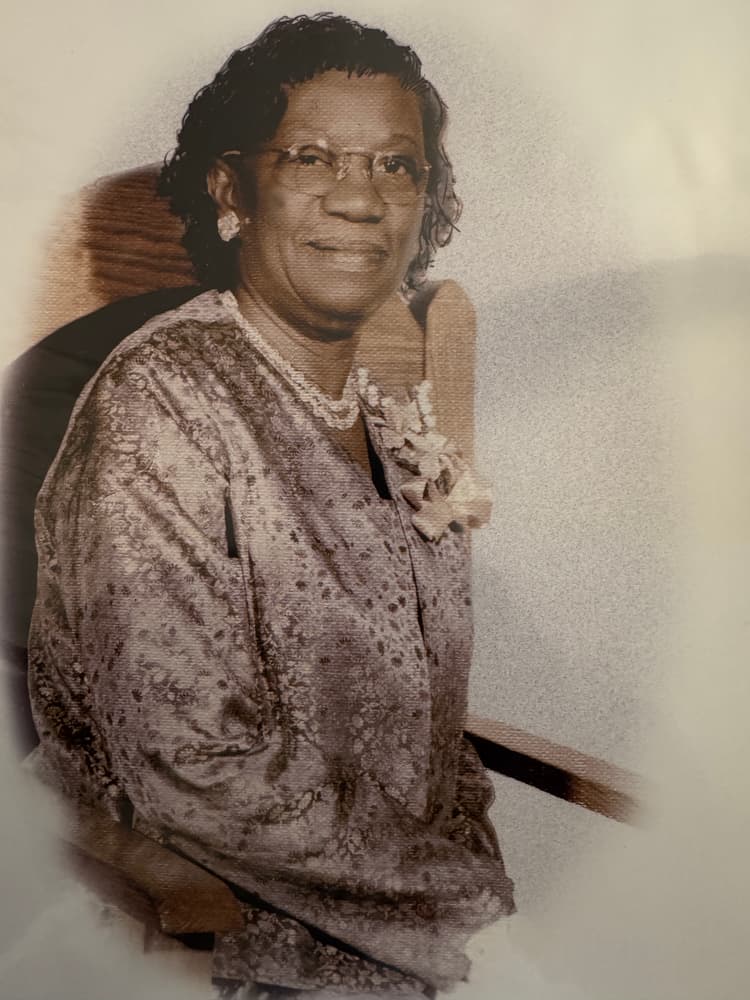
In September 1961, Florence Haywood traveled from the quiet suburban streets of Bay Shore to the bustling center of Kansas City, Missouri. She was there as an official "Messenger" for the First Baptist Church of Bay Shore at the annual National Baptist Convention. While she likely went to represent her home congregation’s growth and spirit, she walked directly into a firestorm of civil rights history.
The 1961 convention was the site of a fundamental fracture in the Baptist faith. As Florence sat among thousands of delegates, the air was thick with the tension of the Civil Rights Movement. The convention was split between those who favored a cautious approach to social change and those, including Dr. Martin Luther King Jr., who demanded immediate, non-violent direct action against segregation. Florence was present during the infamous "split," witnessing the heated debates—and the tragic floor accident involving Rev. A.G. Wright—that ultimately led Dr. King and others to break away and form the Progressive National Baptist Convention.
Within the Woman’s Auxiliary, Florence’s role was vital. These women were the "engine room" of the church, organizing missionary efforts and educational programs that sustained local communities during the Jim Crow era. For Florence, attending this convention wasn't just a religious duty; it was an act of leadership. Returning to Bay Shore, she brought back the echoes of these national shifts to 22 Cherry Street, helping to guide her own congregation through the transformative decades of the 1960s and 70s. Her story is a reminder that the great movements of history were witnessed and shaped by dedicated individuals like her, standing in the pews and voting for a better future.
To make this even more personal, we could look for a few more details:
To provide a basic biography of Florence Haywood based on the available records and the locations you provided, here is a summary of the facts found:
Florence's life in Bay Shore was defined by her role at the First Baptist Church. She participated in the following historical milestones: