
Why Butter Reigns Supreme: The Science, Economics, and Soul of Cooking's Most Beloved Fat
Let's talk about what butter actually *is*. By U.S. law, butter must contain at least 80% milkfat, but that's just the beginning of the story.
By jerome amosDecember 11, 2025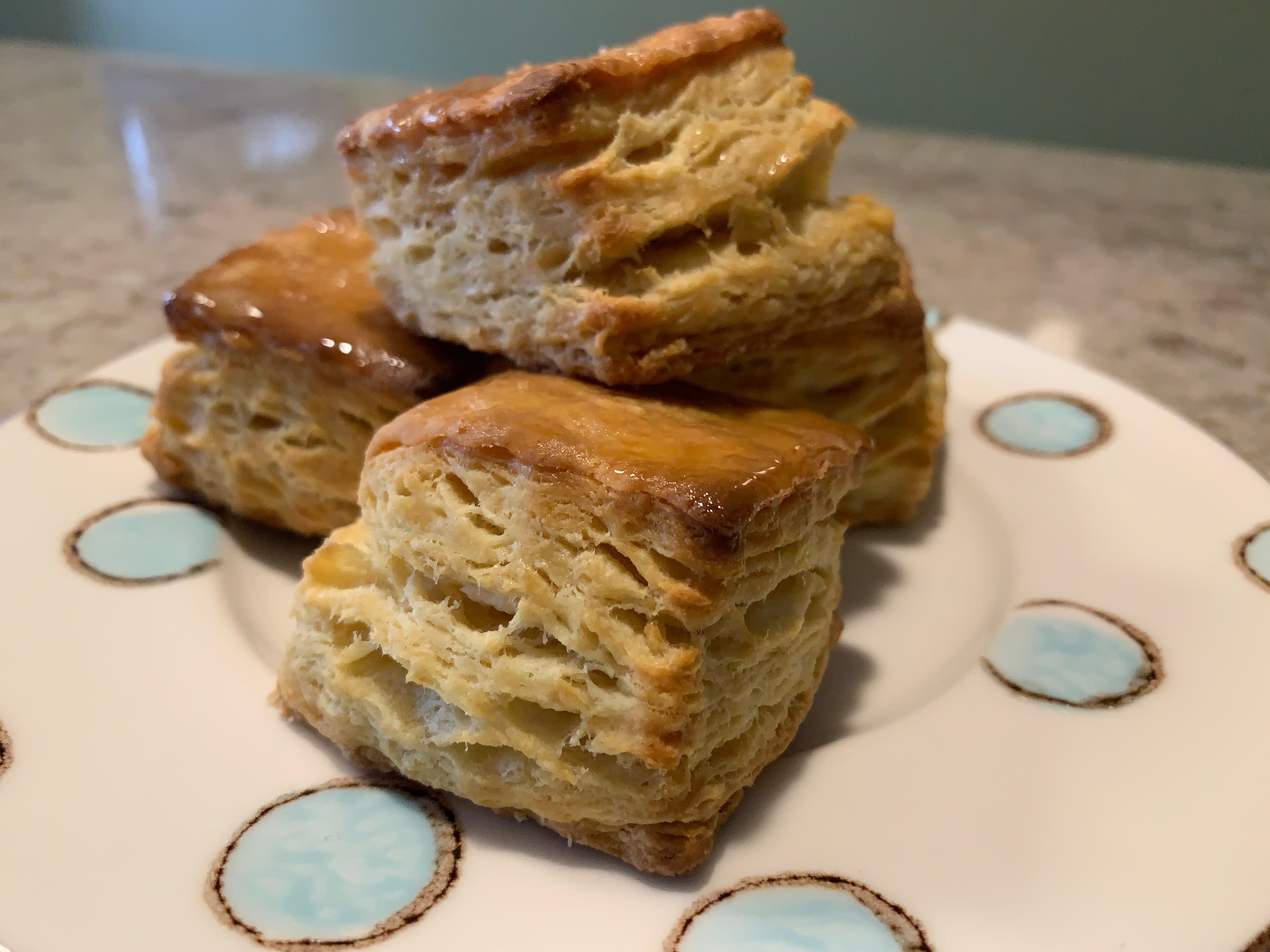
Let's talk about what butter actually *is*. By U.S. law, butter must contain at least 80% milkfat, but that's just the beginning of the story.
There's a reason every chef worth their salt keeps a pound of good butter within arm's reach. There's a reason your grandmother's biscuits tasted like heaven, and why that fancy French restaurant charges $8 for bread service. It all comes down to one golden truth: butter isn't just a cooking fat—it's liquid gold in solid form, and once you understand why, you'll never look at that foil-wrapped brick the same way again.
A Brief History: From Ancient Accident to Culinary Cornerstone
Butter's origin story is one of those beautiful accidents that changed the course of human cuisine. The prevailing theory is that some nomadic herder, probably around 8000 BCE in the Middle East or Central Asia, strapped a bag of milk to a horse or camel for a journey. The constant jostling, combined with the animal's body heat, churned that milk into butter. One bumpy ride later, humanity discovered its first cultured dairy fat.
The ancient Sumerians were making butter by 3500 BCE, and it shows up in their religious texts as an offering to the gods—which tells you everything about its value. In ancient Rome, butter was considered barbaric. The Romans were all about olive oil, and they looked down on the butter-eating Germanic and Celtic tribes to the north. Pliny the Elder called butter "the most delicate of food among barbarous nations," which is possibly the most Roman thing ever written.
Here's where it gets interesting: butter wasn't always food. In India, ghee (clarified butter) has been used in religious ceremonies for over 3,000 years. The Vikings used butter as a food preservative, burying it in peat bogs where the cool, anaerobic conditions kept it fresh—archaeologists still occasionally find these "bog butters," some over 3,000 years old. And no, nobody's tasted them. Probably.
By the Middle Ages, butter had become so valuable in Europe that it was used to pay taxes and rent. The Catholic Church even got in on the action, charging parishioners a "butter tax" to eat butter during Lent instead of oil. The money raised from this tax helped build the famous "Butter Tower" of Rouen Cathedral in France. Yes, butter literally built churches.
Butter Facts That'll Make You the Most Interesting Person at Dinner
Before we dive into the science, let's talk about some wild butter facts:
-
It takes about 21 pounds of whole milk to make just one pound of butter. That's 10 gallons of milk. Suddenly that $6 price tag doesn't seem so bad.
-
The yellow color isn't added—it comes from beta-carotene in the grass cows eat. Grain-fed cows produce whiter butter, which is why European butter (from predominantly grass-fed cows) tends to be more golden. In the 19th century, American butter producers actually added yellow dye to their product to compete with the "fancy" imported European butter.
-
Butter was once used as an anti-wrinkle cream. Before modern skincare, butter and lard were common moisturizers. The fat content genuinely does help with dry skin, though we've thankfully moved on to products that don't make you smell like breakfast.
-
There's a strategic butter reserve. The U.S. government maintains stockpiles of butter as part of the Commodity Credit Corporation program. At times, this reserve has exceeded 500 million pounds. Your tax dollars: literally sitting in a warehouse in the form of butter.
-
The world's most expensive butter costs about $60-80 per pound. French échiré butter, hand-churned in wooden barrels and aged, has achieved cult status among chefs. Some Japanese butter varieties run even higher. Yes, people are butter snobs, and honestly, they're not wrong.
The Chemistry of Deliciousness
Let's talk about what butter actually is. By U.S. law, butter must contain at least 80% milkfat, but that's just the beginning of the story. The remaining 16-17% is water, with about 1-2% milk solids floating around in there. But here's where it gets interesting: butter isn't just a mixture, it's an emulsion—specifically, tiny water droplets suspended within fat, the opposite of what you started with in cream.
Those milk solids? They're your secret weapon. When you heat butter, those proteins and sugars undergo the Maillard reaction, browning and caramelizing to create hundreds of new flavor compounds. This is how you get beurre noisette, that nutty, toasted, impossibly fragrant brown butter that elevates everything from pasta to chocolate chip cookies. Pure oils can't do this—they don't have the ammunition.
The fat itself is a complex beast, containing over 400 different fatty acids. About 70% are saturated fats, which is why butter is solid at room temperature. But it's the short-chain fatty acids, particularly butyric acid, that give butter its characteristic aroma and make it highly digestible. Then there's diacetyl, the compound responsible for that creamy, slightly sweet flavor we associate with quality butter. This is especially prominent in cultured, European-style butter, where fermentation creates that extra tangy complexity.
Fat Is the Ultimate Flavor Carrier
Here's the thing chefs know that home cooks often overlook: many of the most desirable flavor compounds in food are fat-soluble, not water-soluble. When you cook with butter, its fat permeates your ingredients, dissolving and evenly distributing those flavor molecules throughout the dish. It's not just adding richness—it's acting as a delivery system for taste itself.
And then there's the mouthfeel. Butter melts right around body temperature, which means it coats your tongue and slowly releases its flavor compounds as it melts. This creates that velvety, luxurious sensation that makes everything from croissants to mashed potatoes feel indulgent. Your brain registers this high-fat content as a signal of satiety and pleasure, often triggering dopamine release. We're literally wired to love butter.
Butter Around the World: A Culinary Tour
The fascinating thing about butter is how differently cultures wield it. It's not a universal ingredient—geography, climate, and available livestock created distinct butter traditions that still define regional cuisines today.
France: The Butter Empire
Let's start where butter worship reaches its peak: France. The French consume about 18 pounds of butter per person annually—more than any other country. This isn't accidental. French cuisine is built on butter's backbone.
What they use it for:
- Croissants and viennoiserie: Those laminated pastries require pounds of butter folded between layers of dough
- Sauces: Beurre blanc, hollandaise, béarnaise, beurre monté—French mother sauces are butter emulsions
- Finishing: "Monter au beurre" (mounting with butter) is the final step in countless French preparations
- Bread and butter as a course: Served with fleur de sel, it's a legitimate restaurant offering
The regions of Normandy, Brittany, and Charentes are so famous for butter that they have AOC (protected designation of origin) status for their butter, like wine. Beurre d'Isigny, Beurre de Bresse, Beurre Charentes-Poitou—these aren't just butters, they're cultural artifacts.
India: The Ghee Gospel
India's relationship with butter goes back millennia, but it's transformed into ghee—clarified butter with the milk solids removed. Ghee can withstand India's hot climate without refrigeration and has a much higher smoke point (485°F) than regular butter.
What they use it for:
- Tadka/tempering: Hot ghee poured over spices releases their essential oils
- Biryani and pulaos: Ghee adds richness and helps coat rice grains
- Sweets: Indian desserts like halwa, laddu, and barfi depend on ghee for their characteristic texture and flavor
- Religious ceremonies: Ghee lamps have burned in Hindu temples for thousands of years
- Ayurvedic medicine: Considered a healing food that aids digestion
An Indian household might go through 2-3 pounds of ghee per month, and many families still make it from scratch, filling their homes with that unmistakable nutty aroma.
Northern Europe: Butter as Survival
In Scandinavia, Ireland, and Scotland, butter was historically a preservation method as much as a food. The cold climate kept it fresh, and it provided essential calories during brutal winters.
What they use it for:
- Smørrebrød (Denmark/Norway): Open-faced sandwiches where a thick layer of butter is non-negotiable
- Irish butter: Irish grass-fed butter (like Kerrygold) is legendary for its golden color and rich flavor, used liberally on bread, potatoes, and vegetables
- Scottish shortbread: A butter showcase—flour, sugar, and butter in a 3:2:1 ratio
- Fish preservation: Butter was layered with salted fish for storage
The Irish still consume about 5-6 pounds of butter per person per year, and the sight of a stick of butter melting into a pile of colcannon (mashed potatoes and cabbage) is basically a national treasure.
North America: The Melting Pot Approach
American butter usage reflects its immigrant history. We took techniques from everywhere and adapted them.
What we use it for:
- Southern cooking: Butter in cornbread, biscuits, and cast-iron fried chicken where it adds to the crust
- Baking tradition: Chocolate chip cookies, pound cake, buttercream frosting—American desserts are butter-forward
- Steakhouse culture: A pat of compound butter melting over a perfect steak
- Midwest comfort food: Butter on sweet corn, dinner rolls, and in casseroles
American consumption hovers around 6-6.5 pounds per person annually, and we're increasingly embracing European-style cultured butters for home cooking.
East Asia: The Late Adopter
Traditionally, butter was largely absent from Chinese, Japanese, and Korean cuisines due to limited dairy farming. But modern fusion and Western influence have changed things.
What they use it for:
- Japanese milk bread (Hokkaido milk bread): Enriched with butter for impossibly soft texture
- Ramen: Some shops finish bowls with a butter pat for richness
- Baking: Asian bakeries produce some of the world's best croissants and pastries
- Japanese curry: Often finished with butter for extra richness
Japan has become particularly obsessed with quality butter, with domestic and imported premium butters selling out regularly.
The Mediterranean: Olive Oil's Domain
Notably, Southern European and Mediterranean cuisines (Italy, Spain, Greece, North Africa, Middle East) historically favored olive oil over butter due to climate and olive tree abundance. Butter spoiled quickly in heat, while olive oil thrived.
Where they DO use butter:
- Northern Italy: Butter is traditional in Lombardy, Piedmont, and Veneto for risotto and pasta
- Spanish pastries: Ensaimadas and some regional sweet breads
- Turkish cooking: Butter in some pilaf preparations
The divide is so clear that in Italy, there's a "butter line" running roughly through the center of the country. North of it: butter and cream. South of it: olive oil. This isn't arbitrary—it follows the historical limits of cow farming versus olive cultivation.
The American Butter Landscape
In the U.S., standard butter from brands like Land O'Lakes typically hovers right at that 80-81% butterfat minimum. It's reliable, consistent, and perfectly fine for everyday cooking. But the culinary landscape has shifted dramatically in recent years.
European-style and cultured butters, running 82-85% butterfat, have moved from specialty stores to mainstream supermarkets. Some premium artisanal butters push 87% or higher. That difference might seem small, but in the kitchen, it's significant. Higher fat means lower water content, which translates to flakier pastries, better emulsification in sauces, and richer flavor overall. Less water means less steam in baking, which is crucial for laminated doughs like croissants or puff pastry.
Economically, we're seeing interesting trends. Standard butter runs about $5-6 per pound, but Americans are increasingly willing to pay $15, $30, or even $60 per pound for premium options. Butter consumption has hit historic highs—around 6.5 pounds per person in 2023—and continues to grow. Chefs are treating butter not as a commodity, but as a central flavor component, with grass-fed, cultured, and compound butters becoming staples in both fine dining and modern home cooking.
Storage and Handling
Refrigeration is your safest bet for long-term storage, keeping butter fresh for one to three months. Keep it tightly wrapped to prevent it from absorbing other odors—butter is promiscuous that way. For freezing, double-wrap it (original wrapper plus a freezer bag) and it'll last up to a year without freezer burn.
That said, salted butter can safely sit on your counter for a few days in an airtight, opaque container like a butter crock, making it perfectly spreadable for morning toast. Just know that flavor, color, and nutrients like Vitamin A begin to degrade once it's exposed to light, air, and heat.
Why Not Just Use Oil?
Look, other fats have their place. Lard makes incredibly flaky pastry with a neutral flavor. Tallow brings that rich beef flavor to frying. Oils have higher smoke points for high-heat cooking. But butter does something none of them can: it imparts its own distinct flavor while simultaneously amplifying everything around it, it provides structure and texture through its milk solids, and it creates that incomparable mouthfeel that makes food feel luxurious.
Butter is solid at room temperature, which helps it thicken sauces as they cool, assists ingredients in adhering to each other, and creates the perfect spread and texture in cookies. Those milk solids—absent in pure oils—are what create that deep, caramelized flavor when you brown butter. It's a complete package.
Making Your Own
If you've never made butter at home, you're missing one of the kitchen's simplest pleasures. All you need is heavy cream (at least 36% milkfat) and a stand mixer, blender, or even just a jar you can shake. Agitate the cream until the fat solids separate from the liquid buttermilk, rinse the solids with cold water to remove residual buttermilk, and you're done.
The result? Unbelievably fresh butter with a flavor that depends entirely on your cream quality. Grass-fed cream yields a more yellow, flavorful butter. The texture is softer, creamier, fluffier than store-bought. Yes, it's less consistent for precise baking recipes, and it won't last as long (weeks rather than months), but as a finishing butter or a spread, homemade butter is revelatory. Plus, you get fresh buttermilk as a bonus, which is fantastic for pancakes, biscuits, and fried chicken brine.
The Bottom Line
Butter isn't king because of tradition or nostalgia—though those certainly play a role. It's king because it's scientifically, culinarily, and sensually superior to nearly every other cooking fat for a vast range of applications. From its complex chemical composition to its ability to carry flavor, from its role in creating texture to its cultural significance across cuisines, butter has earned its place at the center of the culinary world.
Whether it's building French cathedrals, spending centuries in Irish peat bogs, or being stockpiled by the U.S. government, butter has proven itself indispensable to human civilization. It's survived religious taxes, Roman snobbery, and even being used as face cream to remain one of the most cherished ingredients in kitchens worldwide.
So next time you're cooking, don't just reach for the butter out of habit. Reach for it with intention, understanding that you're not just adding fat—you're adding flavor, texture, chemistry, history, and a little bit of magic to your food.

jerome amos
Jerome Amos is a native New Yorker, foodie, and chef who learned to cook as a young child. His older relatives, boy scout training, and desire to help prep the Sunday church potluck meals profoundly influenced Jerome's early love of preparing and sharing delicious recipes and creating a connected community.
Jerome of BFAM Cooking By the age of 10, Jerome was making his meals and operating the grill at family BBQs. He continued to learn and expand his culinary experience by trying new techniques and observing his grandmother preparing her family recipes. Jerome began working in restaurants in high school, moving his way up from dishwasher to kitchen prep. Jerome got married, joined the military, and didn't level up his cooking until a few years after the USAF when he and his wife watched The Food Network. Their shared passion for cooking led them to take cooking classes and attend significant food events where celebrity chefs would appear and do cooking demos.
Understanding basic cooking techniques paired with the curiosity of making an idea work inspired Jerome and his wife to attend as many food events and cooking adventures as possible. This exploration has taken them worldwide, including Italy, where they learned about their surroundings through the local ingredients, recipes, and traditions. A turning point for Jerome took place in a Costco when he was doing his weekly grocery shopping and noticed a couple who was purchasing almost a dozen containers of BBQ sauce. Jerome had just taken a BBQ class and knew this guy had to be cooking up to something delicious.
After a brief conversation, Jerome and his wife were invited to this couple's BBQ, and a foodie friendship was born. Jerome and his new friend, Ellis, couldn't get enough chow chat, discussing everything from Southern flavor and French dishes to favorite chef knives and preferred salt. Together, they felt they had a lot to share with many other food lovers out there and B.F.A.M. Cooking (Brothers from Another Mother) was born on YouTube. Jerome, who had served in the US. Air Force for over five years, during the gulf war, said that the military way is to treat everyone on your team the same as your family.
That became the foundation for Brothers From Another Mother cooking or BFAM Cooking because everyone can be your "fam", especially at the dining table. The BFAM Cooking videos range from delicious, original recipes Jerome created to American restaurant owners who wanted to know better. There are also videos about cooking tools that he loves and simple techniques to make things easier. Jerome was recently one of the many chefs from around the globe who competed in an exclusive online competition to be named the world's Favorite Chef, receive $50,000, and a feature in two-page advertising spread in Bon Appétit announcing the winner. Voted on by the fans, Jerome made it as a semi-finalist, placing 3rd in his group.